
Top 20 Influencer Marketing Statistics you need to know!
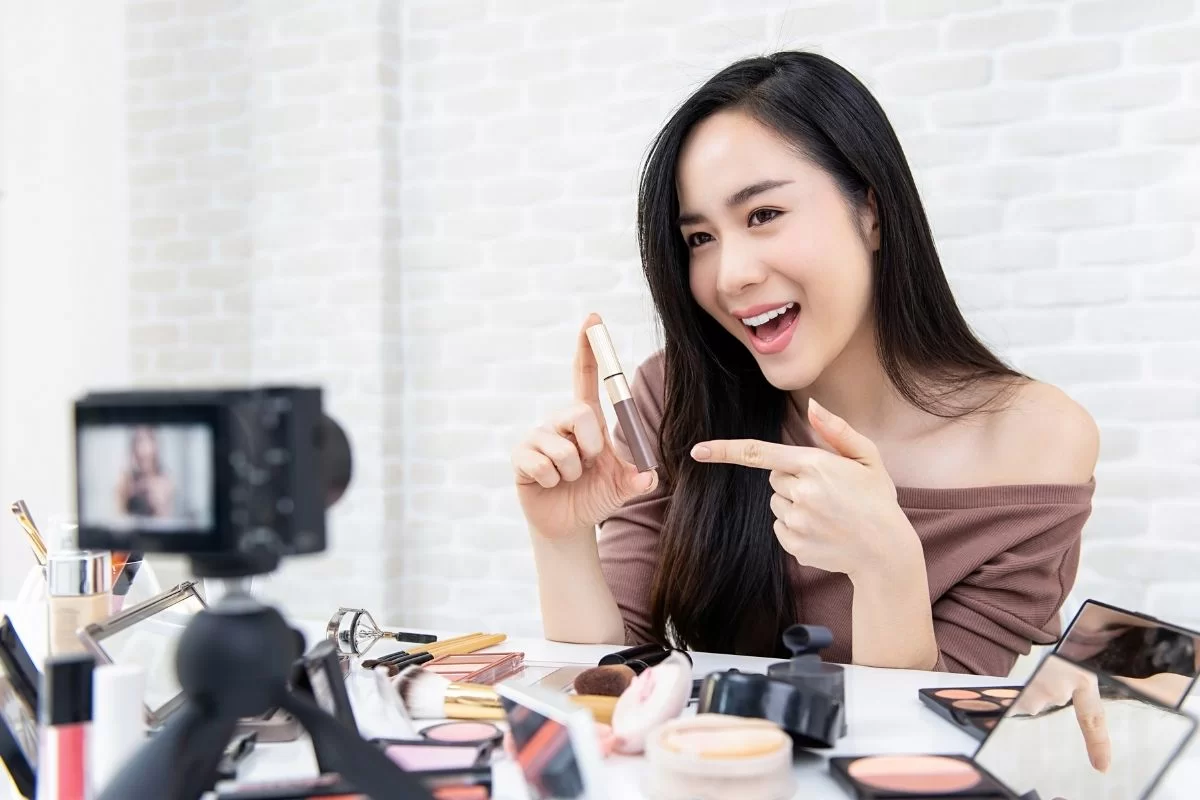
Influencer marketing has become an incredibly powerful channel for brands to reach their audiences beyond standard digital marketing channels such as Meta and TikTok. Influencer marketing means brands can find influencers who have a specific audience who are likely to be interested in their brand. Good influencers possess highly engaged and trusted audiences, making conversions more likely. The key to success lies in choosing an influencer who is specific to your brand and whose audience is engaged and likely to be interested in your brand.
Brands can collaborate with influencers in various ways. The most common method involves influencers posting content about the brand's products to their audiences. Influencers typically charge for creating and posting a set number of pieces of content, which can include videos, posts, links within bios, and more.
Brands may also use an influencer's account to run paid content to reach customers outside of their influencer audience, potentially improving engagement compared to running ads from the brand's own account. Additionally, influencers and celebrities have been known to release their own named collections, creating more formal and permanent collaborations between brands and influencers.
There are four primary types of influencers based on their audience size, Nano Influencers: 1-10k followers, Micro-Influencers: 10-100k followers, Macro Influencers: 100k-1 Million followers and Mega Influencers: 1 Million+ followers.
The smaller the audience, the cheaper the fees are likely to be. Brands may leverage a larger number of smaller influencers to achieve a large but highly targeted reach. Larger influencers typically have very high fees for a small number of posts.
Top Influencer Marketing Statistics
Influencer marketing is becoming incredibly popular as a key marketing channel for marketers to leverage within their strategies. In 2023, Hubspot found that 25% of marketers work with influencers to promote products and services, making it more popular than virtual events, webinars, and social commerce.
Consumers are becoming more savvy when it comes to marketing that brands publish. However, consumers often build a large amount of trust in the influencers that they follow—especially if they've followed that individual for a long time. 69% of consumers say they trust the recommendations that influencers make to them, making it a great way for brands to get in front of consumers and be taken seriously.
The global influencer marketing market size has more than doubled since 2019 and in 2023, the market was estimated at a record $21.1 billion. Social media trends are one of the top challenges of influencer marketing. Trends can change daily, and following a trend within a marketing strategy can be very challenging as it means that you need to create content as quickly as possible, otherwise, you risk missing the trend altogether.
Influencer-generated posts consistently outperform branded posts, according to 60% of marketers.
It makes sense considering customers tend to trust influencers' recommendations when an influencer has built a community of followers and curated the content to be relevant and appropriate to the audience. This creates a great opportunity to leverage a direct path to engaged customers. Customers become immune to overly branded content, which is why influencer content outperforms branded content.
Get In Touch


Your end-to-end Marketing Solution
Our Subsidiary


Interactive Digital Technology Solution
Branding, Content & Production Studio
© Copyright 2026 DFW Creative. All Rights Reserved