
Who Said You Had to Be First? The Strategic Power of Positioning Over Novelty
Author: Kalyn - Communication Lead
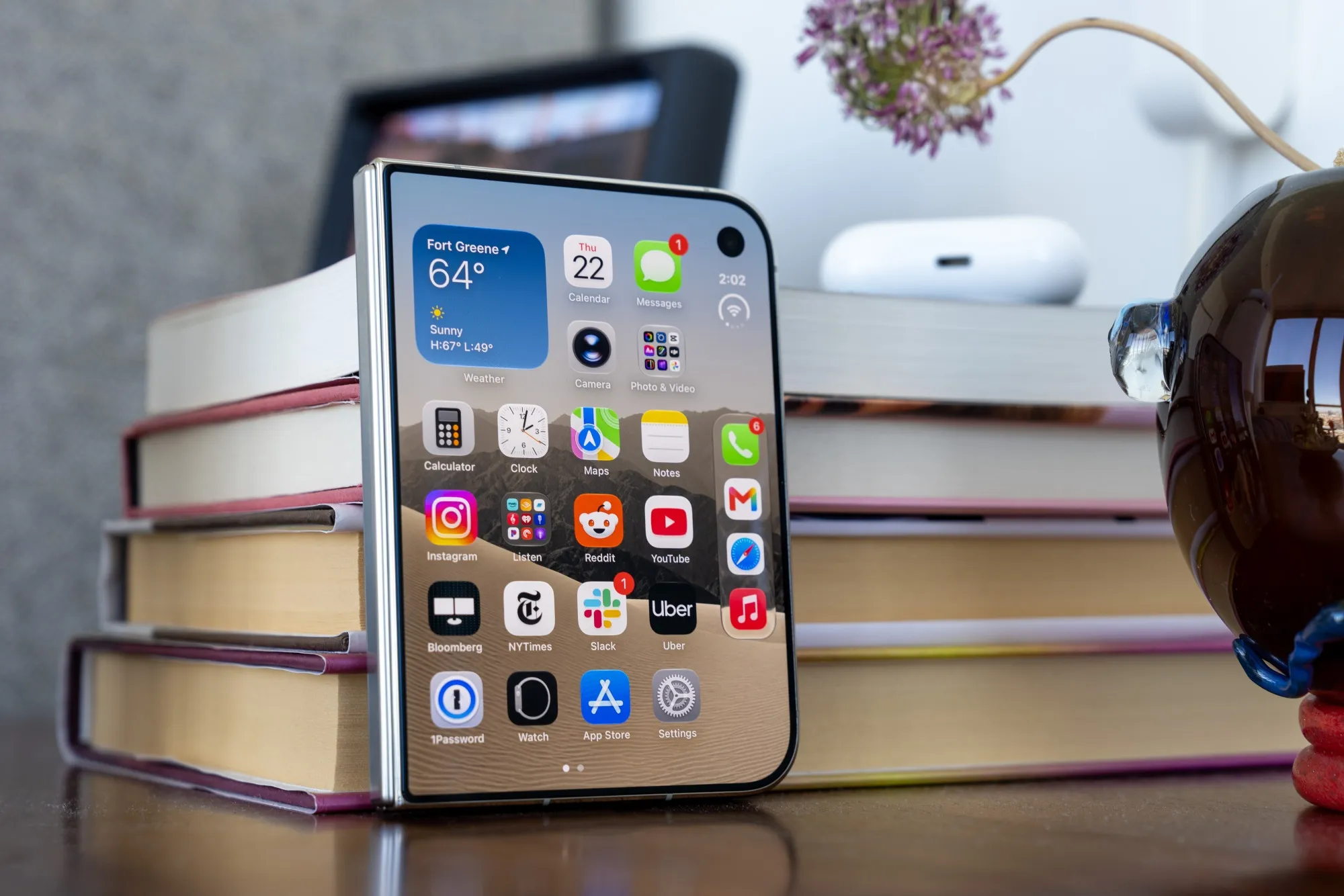
Who Said You Had to Be First?
There's something fascinating about the launch of Apple's iPhone Duo.
Foldable phones aren't new.
Samsung has been making them for years. Huawei has its own offerings. The technology, the concept and even the idea of carrying a phone that opens into a larger screen have been around for quite some time.
And yet, Apple enters the conversation with its first foldable iPhone, and suddenly, the category feels exciting all over again.
People are discussing it. Comparing it. Queuing for it. Debating whether it's worth the price.
Even people who have never seriously considered buying a foldable phone are paying attention.
Which got me thinking.
How do you make something that isn't new feel new again?
And perhaps more interestingly, how much of that comes down to the product itself, and how much comes down to communications?
Being First and Being First in People's Minds Are Two Different Things
We often associate innovation with being first.
The first to introduce a technology. The first to launch a product. The first to enter a category.
And there's certainly value in that.
But being first doesn't automatically mean becoming the brand people associate most strongly with an idea.
Sometimes, the first company introduces something the market isn't quite ready for.
Sometimes, the technology needs time to mature.
And sometimes, another brand enters later, presents the idea differently and makes it feel relevant to an entirely new audience.
Apple has a history of doing this.
It didn't invent the portable music player, the smartphone or the tablet.
But through product design, user experience, positioning and communications, it helped turn those categories into products that broader audiences understood and wanted.
The iPhone Duo presents another interesting example of that dynamic.
Apple isn't introducing the world to foldable technology.
It's introducing foldable technology to the world of Apple.
And for millions of people already familiar with that ecosystem, those are two very different propositions.
The Product May Be Familiar. The Context Isn't.
Here's where I think communications becomes particularly interesting.
A product doesn't exist in isolation.
People experience it through the brands they trust, the stories they encounter, the people discussing it and the cultural moment in which it appears.
For someone who has been following foldable smartphones for years, the iPhone Duo might be a late arrival to an established category.
But for an Apple user who has never considered switching to another phone brand, this could be their first serious encounter with the idea of owning a foldable device.
Same category.
Completely different starting point.
And that's an important distinction.
What's old news to one audience can be a genuine discovery for another.
From a communications perspective, the challenge isn't necessarily to convince everyone that something has never been done before.
It's to help the intended audience understand why it matters to them now.
Apple's established identity, familiar software experience and loyal customer base provide a different context for evaluating a foldable phone.
The conversation becomes less about whether foldable phones exist and more about what a foldable iPhone might offer.
That's not the same as inventing a category.
But it can be a powerful way of introducing one to a new audience.
Sometimes, the Brand Is Part of the Innovation
We tend to think of innovation as something tangible.
A new feature. A better camera. A different material. A technological breakthrough.
And those things matter.
But there's another dimension that's easy to overlook.
How a product is presented can influence how people understand its value.
Think about the difference between describing a device as a phone with a folding screen and presenting it as a familiar smartphone experience that can open into something more.
The underlying concept may be similar, but the way people imagine using it can be quite different.
That's where positioning, storytelling and product experience come together.
Communications can help translate a technical feature into something people can picture in their everyday lives.
It can make an unfamiliar category feel approachable.
It can give an established concept a new frame of reference.
And it can bring renewed attention to an idea that people may previously have dismissed.
But there's an important caveat.
Communications can give people a new reason to consider something. The product still has to give them a reason to stay interested.
A compelling launch might generate curiosity, conversation and demand.
Whether that excitement translates into long-term satisfaction depends on the experience people actually have with the product.
And those are not necessarily the same thing.
The Conversation Is Bigger Than the Launch
One thing I find particularly interesting about major product launches is how quickly they become cultural conversations.
Suddenly, everyone has an opinion.
Tech enthusiasts dissect the specifications. Existing customers debate whether to upgrade. Competitors weigh in. Social media fills with jokes, comparisons and reactions.
Some people are excited.
Others are sceptical.
And plenty are simply watching the spectacle unfold.
Not all that attention is positive, of course.
The iPhone Duo has attracted criticism over its price, practical compromises and whether Apple has brought enough that's genuinely different to the foldable category.
Those are legitimate questions.
But the fact that people are asking them illustrates something about the reach of the conversation.
A launch doesn't always need universal agreement to become culturally relevant.
Sometimes, the debate itself draws new audiences into a category.
People who previously had little interest in foldable phones are now comparing their features, discussing their usefulness and questioning whether they might want one.
That doesn't mean Apple deserves credit for the technology developed by its competitors.
It means a major brand entering an existing category can change how widely that category is discussed.
And from a communications standpoint, that's worth studying.
You Don't Always Need Something New. You Need a New Reason to Care.
There's a temptation in marketing to constantly chase novelty.
New products. New formats. New campaigns. New ideas.
As though something only deserves attention if nobody has seen it before.
But the iPhone Duo is a reminder that relevance doesn't always begin with invention.
Sometimes, it comes from reaching an audience that hasn't previously considered the category.
Sometimes, it comes from improving the experience.
Sometimes, it's about timing, positioning or making an existing idea easier to understand.
And sometimes, a familiar concept becomes interesting again simply because the right brand has entered the conversation.
None of this means communications can manufacture genuine innovation where none exists.
Nor does it mean a strong brand can turn every late entry into a success.
The product, the audience and the execution still matter.
But it does challenge the assumption that the most important thing is always being first.
Because in communications, the more useful question might not be "Has this been done before?"
It might be:
"Why would people care about it now?"
And looking at the conversation surrounding the iPhone Duo, I'd say that's a question worth asking.
After all, Apple didn't invent the foldable phone.
But it certainly gave a lot of people a new reason to talk about one.
Get In Touch


Your end-to-end Marketing Solution
Our Subsidiary


Interactive Digital Technology Solution
Branding, Content & Production Studio
© Copyright 2026 DFW Creative. All Rights Reserved